How to Get a
Work Visa in 2026
Your complete step-by-step guide to obtaining a work visa and work permit in 2026. Whether you're targeting Canada, Germany, the UK, Australia, or beyond — this guide covers everything from eligibility to arrival.
In 2026, labour shortages across healthcare, technology, engineering, and education have made it easier than ever for skilled professionals to secure sponsorship jobs and work permits abroad.
What Is a Work Visa?
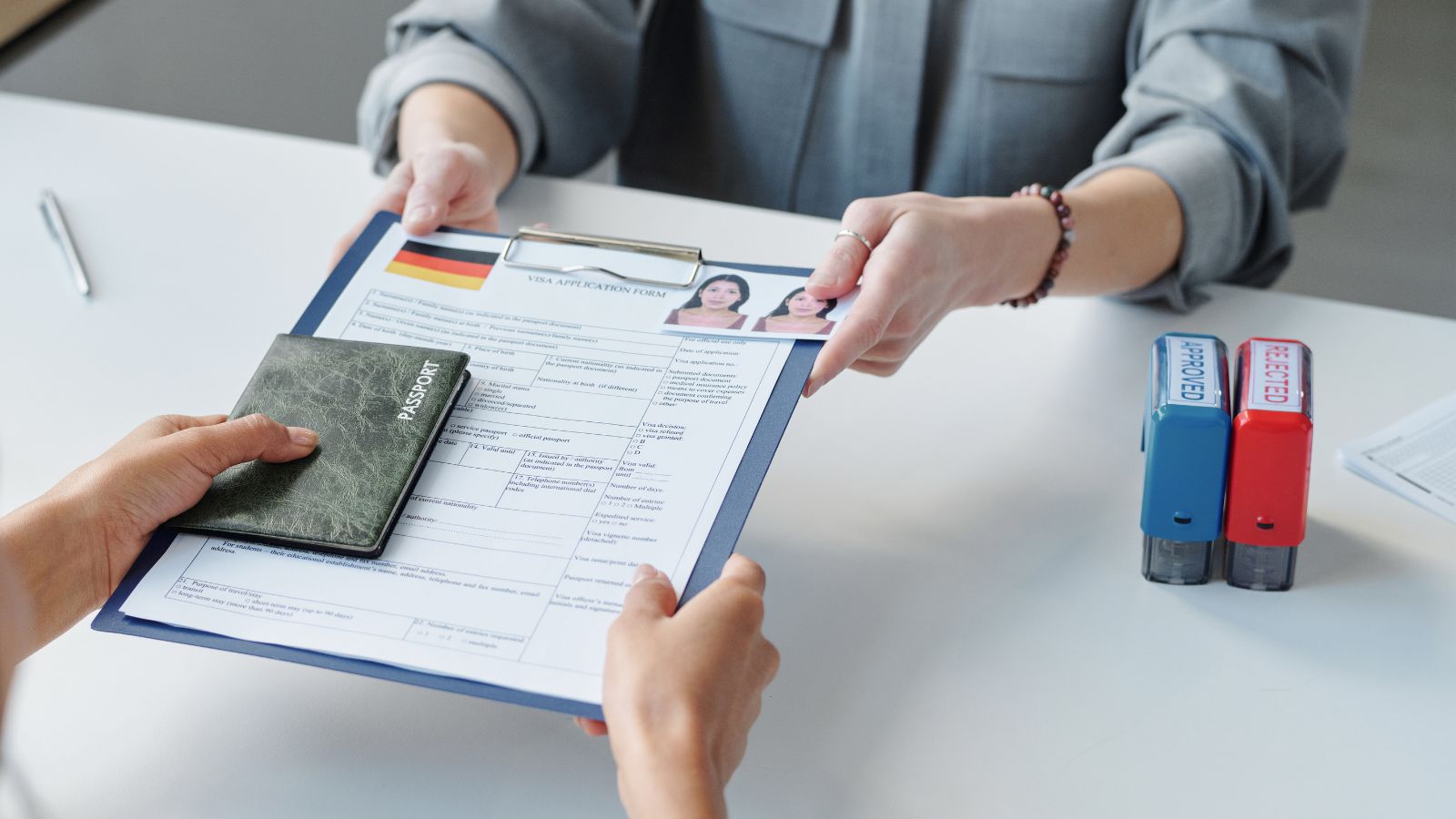
A work visa is a legal document that allows foreign nationals to live and work in a country for a specific period. It is typically tied to a job offer and requires sponsorship from an employer.
In 2026, countries worldwide are actively recruiting skilled workers to fill labour shortages. With the right preparation, you can navigate the work visa process and start your global career.
How to Get a Work Visa in 2026
Follow these 5 essential steps to secure your work visa and start working abroad.
Check Your Eligibility
Before anything else, determine if you qualify for a work visa. Key factors include:
- Valid job offer or sponsorship from a registered employer
- Relevant work experience and educational qualifications
- Language proficiency (IELTS, TOEFL, TEF, etc.)
- Sufficient financial means to support yourself
- Clean criminal record and good health
Find a Sponsorship Job
A sponsorship job is the most common pathway to a work visa. Your employer must be licensed to sponsor foreign workers.
- Search for employers on official job boards
- Connect with recruitment agencies like GenesisJob
- Tailor your CV and cover letter to each application
- Prepare for interviews and negotiate sponsorship terms
Gather Your Documents
Prepare a complete document package to avoid delays. Common requirements include:
- Valid passport (with at least 6 months validity)
- Completed visa application form
- Employment contract or job offer letter
- Proof of qualifications and work experience
- Language test results
- Proof of accommodation and financial means
- Medical insurance and police clearance certificate
- Recent passport-sized photographs
Submit Your Application
Submit your work visa application through the correct channel — usually online or at the embassy/consulate in your home country.
- Check processing times and fees for your destination
- Pay the application fee (varies by country)
- Book and attend your visa interview (if required)
- Provide biometrics (fingerprints and photo)
- Track your application status online
Arrive and Begin Work
Once approved, you'll receive your work visa. Now it's time to travel and start your new job.
- Book flights and arrange accommodation
- Register with local authorities on arrival
- Apply for a residence permit if required
- Open a bank account and get a tax number
- Explore your new city and settle in!
Common Types of Work Visas in 2026
Different countries offer different work visa categories. Here are the most common types you'll encounter.
Common Mistakes & Success Tips
✗ Common Mistakes to Avoid
- Submitting incomplete or incorrect documents
- Applying for the wrong visa type
- Not meeting language requirements
- Working with unverified employers or agencies
- Missing embassy appointments or deadlines
- Failing to provide proof of financial means
- Ignoring the validity period of your visa
✓ Tips for a Successful Work Visa Application
- Start your application at least 3-6 months in advance
- Double-check all documents for accuracy and completeness
- Take a recognised language test (IELTS, TOEFL, TEF)
- Work with a licensed recruitment agency like GenesisJob
- Keep copies of all submitted documents
- Prepare thoroughly for your visa interview
- Stay informed about policy changes in your destination country
Frequently Asked Questions
Everything you need to know about getting a work visa in 2026.
Processing times vary by country and visa type. Generally, it takes 4–12 weeks for most work visas. Some countries offer expedited processing for priority occupations — as fast as 2 weeks.
Yes for most work visas. You need a valid job offer from a registered employer who is willing to sponsor your visa. However, some countries offer job seeker visas that allow you to enter without a prior offer.
You'll typically need: a valid passport, completed visa application form, job offer or employment contract, proof of qualifications and work experience, language test results, proof of accommodation, health insurance, financial means, and recent photographs. Always check your destination country's specific requirements.
Yes in most cases. Your spouse and dependent children can join you on a dependent visa. In many countries, your spouse may also be eligible to work, and your children can attend school.
Fees vary by country. Typically, work visa application fees range from €80 to €500. Additional costs include language tests (€300–€500), medical exams (€200–€500), and police clearance certificates. Some employers cover these costs as part of your sponsorship package.
The EU Blue Card is a work and residence permit for highly qualified professionals. To qualify, you need a university degree, a job offer with a minimum annual salary (€50,700 in 2026, or €45,934 for shortage occupations), and language proficiency. It offers a fast-track to permanent residency in Europe.
Yes, but with conditions. Your work visa is typically tied to a specific employer. If you want to change jobs, your new employer must sponsor a new work permit for you. GenesisJob can guide you through this process.
Yes. After living and working in a country for a specified period (usually 1–5 years), you may be eligible to apply for permanent residency. Many countries offer clear pathways from work visa to PR, especially through programs like Express Entry in Canada or the EU Blue Card in Europe.
If your visa is rejected, you will receive a letter explaining the reason. Common reasons include incomplete documents, insufficient financial proof, or failing to meet eligibility criteria. You can appeal the decision or reapply with corrected documents. GenesisJob helps you avoid these issues from the start.
Yes. GenesisJob Recruitment Agency is a fully licensed and trusted recruitment agency specializing in international job placement and visa assistance. We work only with verified employers and ensure full compliance with immigration laws in all destination countries.
Ready to Start Your Work Visa Journey?
Get personalized guidance from our experts and find the right work visa pathway for you.